Source Excavator Hydraulic Cylinder Seal for Auto, Mining, Marine
Compare 30 excavator hydraulic cylinder seal options from Chinese manufacturers. Buyers can review specifications like bore size, stroke length, and seal brands such as Parker or Nok for wheel excavators and mining equipment; compare the available evidence and request quotations based on your requirements.
Key considerations
Products List




Comprehensive Sourcing Guide
Excavator Hydraulic Cylinder Seal Sourcing Guide
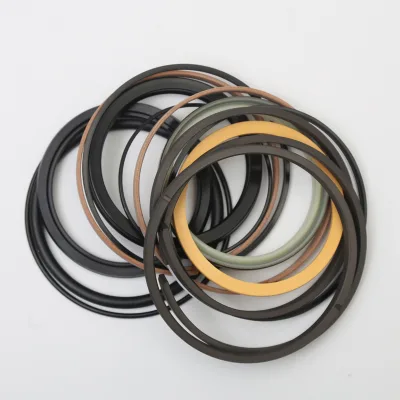
Procuring replacement seals for excavator hydraulic cylinders requires a precise understanding of component compatibility and material resilience. These seals are critical for maintaining system pressure and preventing fluid leakage in high-stress environments. Buyers must recognize that seal failure often leads to catastrophic cylinder damage, making the selection of high-quality sealing elements a priority for operational continuity. The core keyword highlights the specific need for reliable sealing solutions that can withstand the dynamic pressures inherent in heavy machinery operations.
The sourcing process involves identifying suppliers who offer customizable options to match specific cylinder dimensions and operating conditions. Many manufacturers support OEM and ODM services, allowing for tailored solutions that fit unique equipment models. This flexibility is essential for maintaining a diverse fleet of machinery, where standard off-the-shelf parts may not suffice. Buyers should prioritize suppliers who provide detailed technical support and drawing acceptance to ensure perfect fitment and performance.
Product Scope and Observed Listing Signals
The market for excavator hydraulic cylinder seals includes a wide range of products designed for various applications, including auto parts, industrial machinery, and specialized mining equipment. Listings often indicate that these components are suitable for wheel excavators, marine excavators, and special excavators, reflecting their versatility across different sectors. The observed product attributes suggest that suppliers cater to both standard and customized requirements, with options for black, blue, yellow, or other paint colors to match existing equipment aesthetics.
Observed listing signals reveal that products are typically new and come with certifications such as CE, ensuring a baseline level of safety and quality. The availability of 2D or 3D drawings indicates a high degree of customization potential, allowing buyers to specify exact dimensions and tolerances. Additionally, the mention of various seal brands like Parker, Merkel, and Hallite suggests that reputable suppliers use established components to ensure reliability. These signals help buyers assess the technical capability and market positioning of potential suppliers.
Technical Specifications to Verify
Verifying technical specifications is crucial for ensuring that the selected seals will perform effectively under operational demands. Key parameters to check include bore size, rod diameter, and stroke length, which must align precisely with the existing cylinder dimensions. The observed data indicates that bore sizes can range from 40mm to 320mm, with customizable options available. Buyers should confirm that the supplier can accommodate these variations and provide accurate measurements to prevent fitment issues.
Material composition and surface treatment are also critical factors that influence seal longevity and performance. The core components often include pistons, rods, caps, heads, barrels, and seals, all of which must be made from high-quality materials like alloy steel. Surface treatments such as hard chrome plating can enhance durability and resistance to wear. Additionally, the operating temperature range, typically from -40 degrees to +120 degrees, should be verified to ensure the seals can withstand extreme environmental conditions without degrading.
Compliance and Safety Documentation
Compliance with international standards is a fundamental requirement for sourcing hydraulic cylinder seals. Certifications such as CE and ISOCE indicate that the products meet specific safety and quality benchmarks. Buyers should request documentation to verify these certifications and ensure that the supplier adheres to recognized industry practices. This documentation serves as proof of the manufacturer’s commitment to quality and regulatory compliance, reducing the risk of procuring substandard components.
Safety documentation also includes information on the working method and pressure ratings of the seals. Products are often designed for high-pressure applications and may feature a straight trip working method. Understanding these operational parameters is essential for selecting seals that can handle the specific demands of the excavator’s hydraulic system. Buyers should ensure that all safety-related information is clearly documented and accessible to facilitate proper installation and maintenance procedures.
Cost Drivers and Commercial Terms
Several factors influence the cost of excavator hydraulic cylinder seals, including material quality, customization requirements, and order volume. The observed MOQ range of 1 to 1000 pieces suggests flexibility for buyers with varying procurement needs. Customization options, such as specific bore sizes or stroke lengths, may incur additional costs due to the specialized manufacturing processes involved. Buyers should evaluate the total cost of ownership, considering both the initial purchase price and the long-term benefits of high-quality seals.
Commercial terms such as delivery time and warranty coverage are also significant considerations. The observed delivery time of 30-40 working days after receiving signed drawings indicates a lead time that buyers must plan for accordingly. A warranty of 12 months provides assurance of product reliability and offers recourse in case of defects. Understanding these terms helps buyers negotiate favorable conditions and manage their inventory and project timelines effectively.
Supplier Qualification and Quality Control
Evaluating supplier qualification is essential for ensuring the reliability and consistency of the procured seals. Buyers should assess the supplier’s production capabilities, quality control processes, and track record in the industry. The observation that quality checks cover all parts and finished hydraulic cylinders indicates a comprehensive approach to quality assurance. Suppliers who implement rigorous testing procedures are more likely to deliver products that meet strict performance standards.
Additionally, the supplier’s ability to provide OEM support and accept custom drawings is a key indicator of their technical expertise. Buyers should verify that the supplier has the necessary infrastructure to handle complex orders and provide timely support. Communication and responsiveness are also important factors, as they facilitate smooth collaboration and problem resolution. Selecting a qualified supplier reduces the risk of supply chain disruptions and ensures a steady flow of high-quality components.
Long-Term Procurement Checks
Establishing long-term procurement checks is vital for maintaining the integrity of the hydraulic system over time. Regular inspections of the seals and related components can help identify potential issues before they lead to equipment failure. Buyers should implement a preventive maintenance schedule that includes monitoring seal condition and replacing components as needed. This proactive approach minimizes downtime and extends the lifespan of the excavator’s hydraulic system.
Furthermore, maintaining a relationship with a reliable supplier ensures access to genuine replacement parts and technical support. Buyers should periodically review supplier performance and product quality to ensure continued satisfaction. Feedback loops between the procurement team and maintenance staff can provide valuable insights into seal performance and durability. By staying vigilant and engaged, buyers can optimize their procurement strategy and support the long-term operational efficiency of their machinery.
FAQs
What seal brands are compatible with excavator hydraulic cylinders?
Compatible seal brands include Parker, Merkel, Hallite, Kaden, and Nok. These seals are selected for high-pressure applications in excavator hydraulic systems. They ensure reliable performance in demanding environments. Buyers can specify these brands during customization to match existing equipment standards. This ensures proper fit and longevity for piston and rod assemblies.
Can excavator hydraulic cylinders be customized for specific applications?
Yes, customization is available for excavator hydraulic cylinders. Buyers can provide 2D or 3D drawings for tailored solutions. Custom bore sizes range from 40mm to 320mm, with rod diameters from 20mm to 220mm. Stroke lengths are also customizable from 30mm to 14100mm. This flexibility supports various excavator types including mining and marine models.
What is the typical lead time for excavator hydraulic cylinder orders?
The typical delivery time is 30-40 working days after receiving signed drawings. This period allows for manufacturing and quality checks of all parts. The lead time applies to both standard and customized hydraulic cylinders. Buyers should plan procurement schedules accordingly to ensure timely project completion. Early submission of technical drawings helps streamline the production process.
Which certifications are provided for excavator hydraulic cylinders?
Excavator hydraulic cylinders are provided with CE certification. This ensures compliance with relevant safety and quality standards for industrial equipment. The certification supports global sourcing requirements for machinery components. Buyers can verify these credentials during the supplier evaluation process. This adds confidence in the product's reliability for heavy-duty applications.
What is the minimum order quantity for hydraulic cylinders?
The minimum order quantity is one piece. This low MOQ allows buyers to test quality before larger purchases. It supports both OEM and ODM service requirements. Buyers can order single units for replacement or prototyping purposes. This flexibility reduces initial investment risks for new sourcing relationships.
How are excavator hydraulic cylinders packaged for shipping?
Hydraulic cylinders are packaged in plywooden cases or cartons. Packaging can be customized as per buyer requirements. This ensures safe transport of sensitive hydraulic components. The sturdy packaging protects against damage during international shipping. Buyers can specify their preferred packing method to meet logistics needs.